The Hidden Heritage of the Malagasy Botry
Apr 4, 2025 - 6 min reading
Arab Origin of the Botry: A Maritime History Shaped by the East
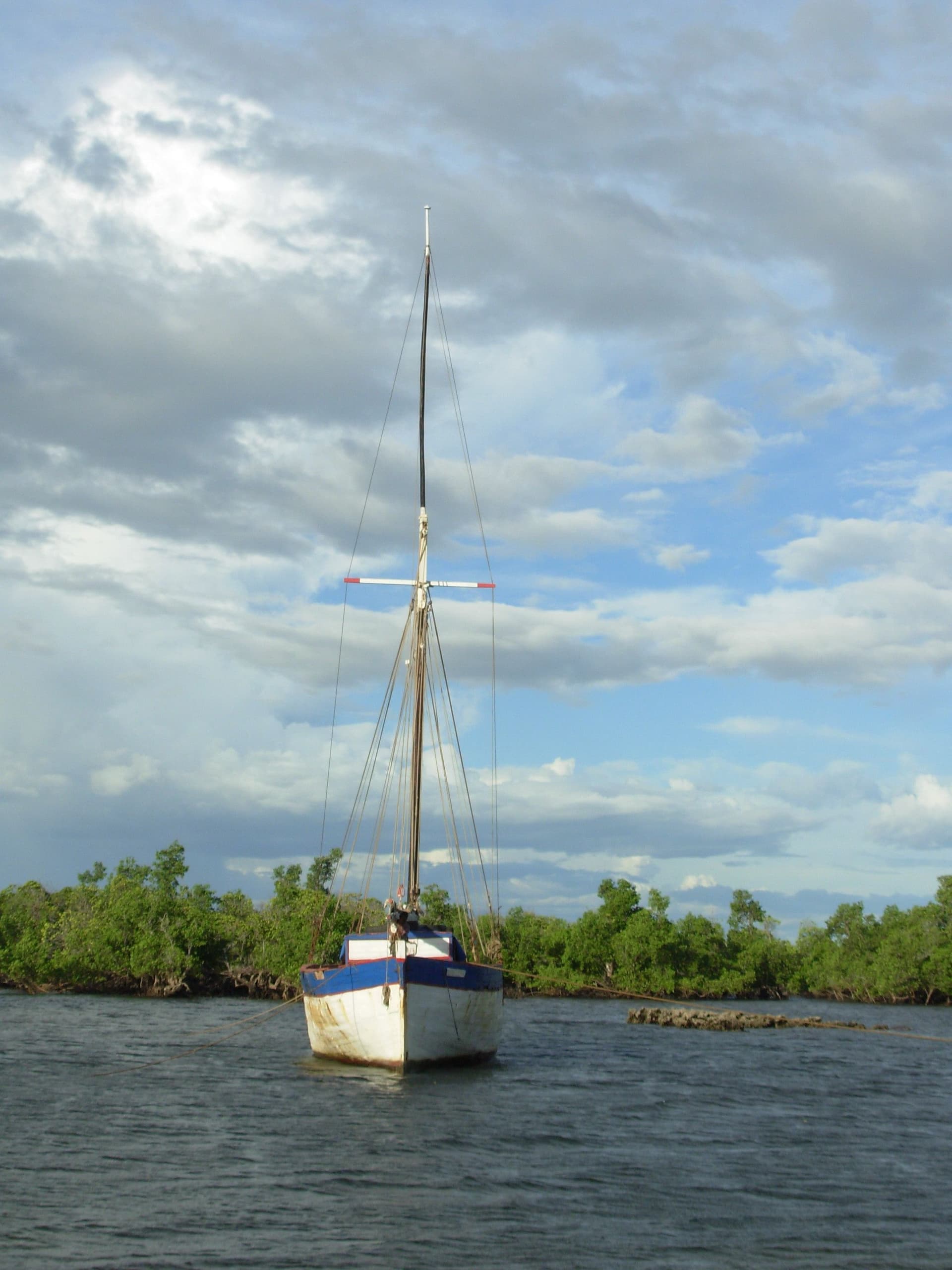
The term "Botry" comes from the Arabic word "būt," which designates a type of sailboat, and could also be linked to the French "boutre," an appellation that more generally refers to traditional sailing vessels used in the Indian Ocean. However, the history of this vessel in Madagascar is far more complex than a simple linguistic borrowing. Indeed, the arrival of botry on the Malagasy coasts dates back several centuries and results from ancient contacts between Madagascar and the Islamic world, particularly with Arab merchants and sailors.
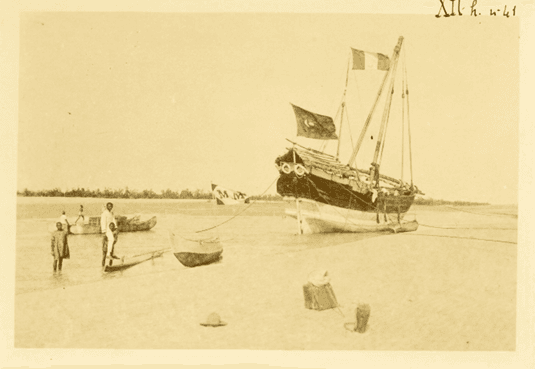
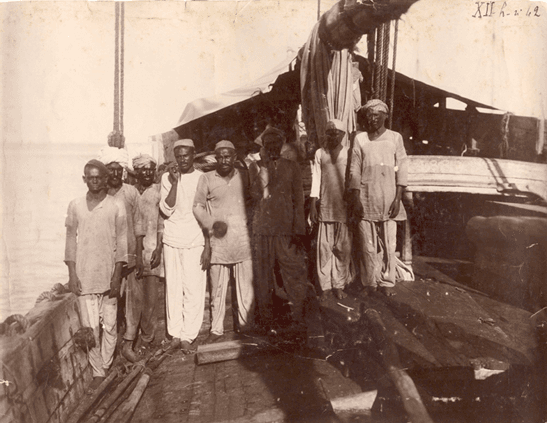
The first traces of dhows in Madagascar are mainly found in the accounts of Arab sailors who, as early as the Middle Ages, crisscrossed the Indian Ocean to establish trade routes. The Antalaotra, a community of mixed-race sailors in Northwestern Madagascar, are often considered the main agents responsible for the introduction and adaptation of Arab dhows on the island. These traders, influenced by Islamic culture and originating from the Swahili coast, played a mediating role between the Malagasy populations and Arab merchants from the Persian Gulf, Oman, Yemen, and the Zanzibar region. They thus contributed to the establishment of lasting trade relations between Madagascar and East Africa, facilitating the exchange of goods and the diffusion of new navigation techniques.
European Influences: The Transformation of the Arab Botry into a Breton Schooner
While Malagasy botry find their origins in Arab dhows, their current form is the result of a transformation marked by the influence of the Breton schooner, thanks to the work of the Joachim family. In the 19th century, Breton schooners, initially intended for coastal trade and cod fishing, played a key role in the development of the Malagasy navy. These sleek and elegant sailboats, designed for the rough seas of the Atlantic, were distinguished by their ease of maneuverability and their shallow draft, ideal characteristics for coastal trading, an essential activity in Madagascar.
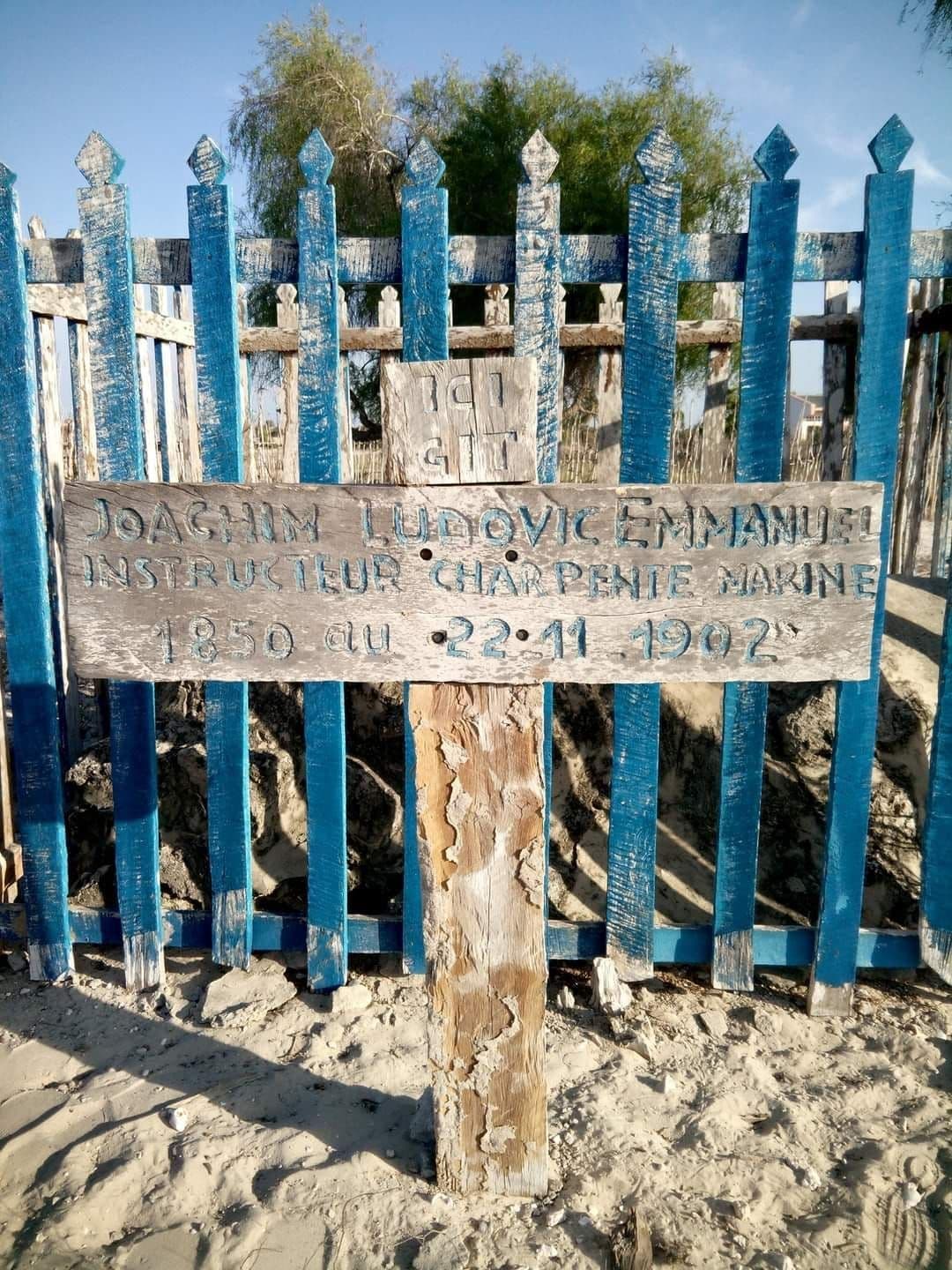
The Joachim family, Bretons established in Réunion, introduced this shipbuilding tradition to Madagascar around 1863. Their arrival in Belo-sur-Mer, in Menabe, coincided with a period of openness of the kingdom of Radama II to foreigners, although this favorable climate lasted only a short time. After the assassination of Radama II and the rise of Ranavalona II, who pursued a policy of expelling foreigners, the Joachim family had to flee and disperse between Madagascar and Réunion. It was not until 1888 that Ludovic and Albert Joachim managed to settle in Toliara, before finally settling in Morondava in 1904, where they founded a shipyard.
The Joachim family quickly integrated into the local community, composed mainly of Vezo fishermen and Malagasy shipwrights, to pass on their shipbuilding expertise. Their role became even more important after Albert (Bebea) obtained authorization to open a shipwright school in Belo-sur-Mer in 1904. There, he taught the construction of Malagasy schooners, while integrating traditional Malagasy techniques with those of European shipwrights. The botry as we know it today was born from this fusion: a hybrid vessel that adopts the structure and shape of an Arab dhow while borrowing the fine lines and design of the Breton schooner.
The use of the term "dhow" to designate this vessel in Madagascar is largely due to the Arab tradition that introduced it, but it reflects less the original shape and function of the Arab dhow than the cultural heritage of the Arab sailors who permeated Malagasy maritime culture. Indeed, in some regions of the island, the population preferred to maintain the traditional shape of the Arab dhow. The botry in Belo-sur-Mer, however, was largely inspired by Breton schooners, becoming a hybrid vessel, adapted to coastal navigation and the needs of local trade.
Birth of a Botry: Materials, Techniques, and Know-How
The construction of a botry in Madagascar is a meticulous and lengthy process that can take 1 to 2 years, depending on the sponsor's financial means and the availability of necessary resources. This process is entirely artisanal, carried out by master shipwrights using rudimentary tools such as hammers, saws, axes, and adzes. The absence of defined plans means that each creation relies on the expert eye of the builder, making each botry unique in its design.
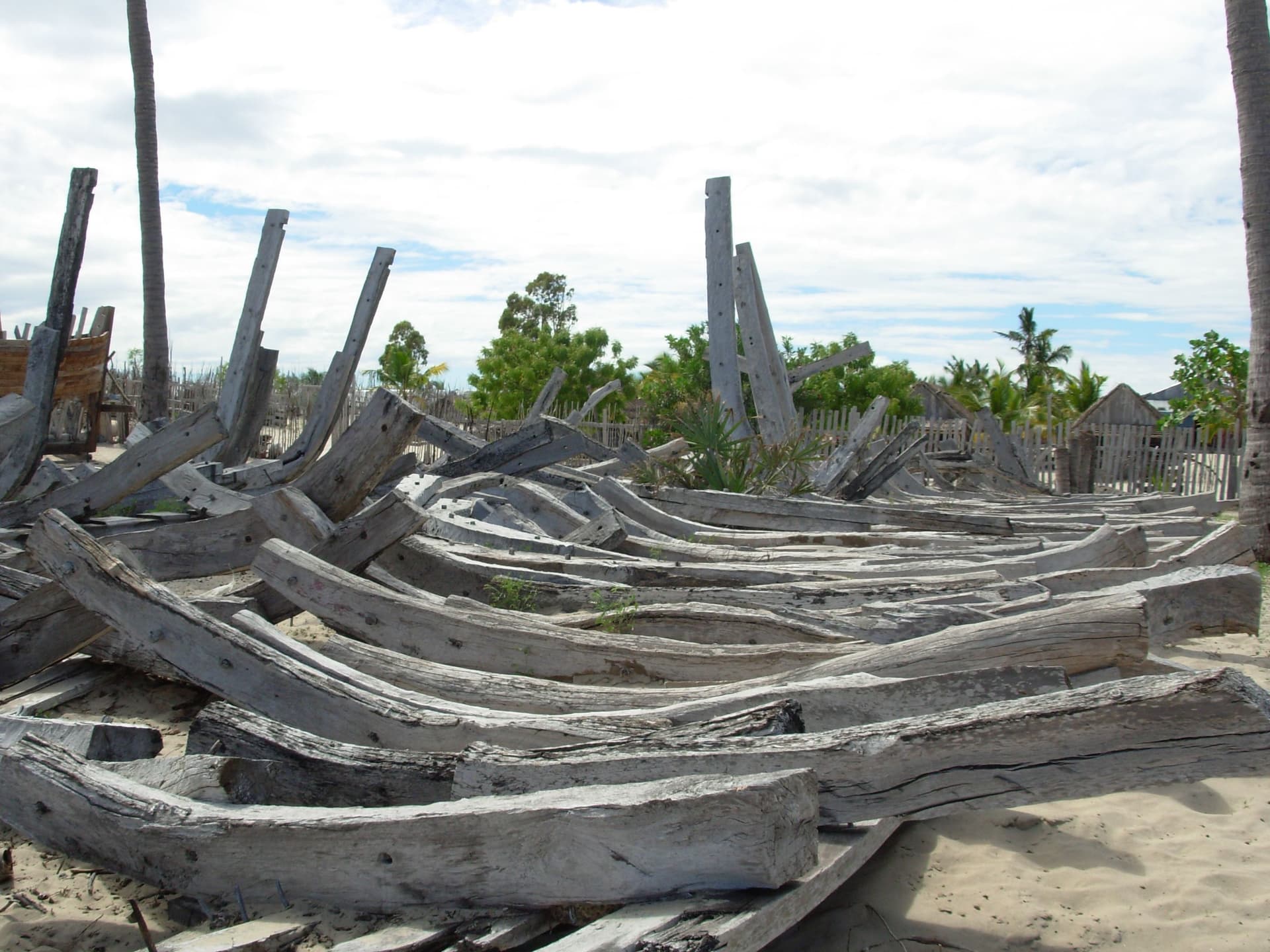
The materials used come directly from the surrounding nature, mainly from local trees such as nato, anakary, tainakanga, and katrafay. These woods are used to build different parts of the boat, including the keel, the sternpost, and the mast. For the construction of each vessel, several trees must be felled, often ten or twenty, depending on the size of the project. Until the mid-20th century, the hulls were waterproofed using oakum mixed with euphorbia resin, but over time, this technique was gradually replaced by the application of tar to ensure better waterproofing.
Malagasy botry vary in size, measuring between 12 to 20 meters, with an average of 15 meters. These vessels are primarily designed for coastal transport, carrying goods such as salt, rice, or cement. However, in an effort to increase their cargo capacity, their shape has become more bulbous, improving their stability but reducing their maneuverability, especially during difficult passages like the Morondava bar.
Once the boat is completed, it is launched during a ritual ceremony called the “jotso botry,” a grand celebration that brings the entire community together. Villagers, especially in Belo-sur-Mer, gather to celebrate this important event. Before the launch, a radio announcement informs the community of the festivities, and families arrive from neighboring villages. The day before, traditional dances and songs accompany the preparation of the boat. In the morning, after a meal of zebu meat, the crowd helps push the botry towards the sea, guided by the songs and rhythms of the dance. This moment marks the culmination of the shipwrights' work, and the launching of the botry is accompanied by joy and celebrations.
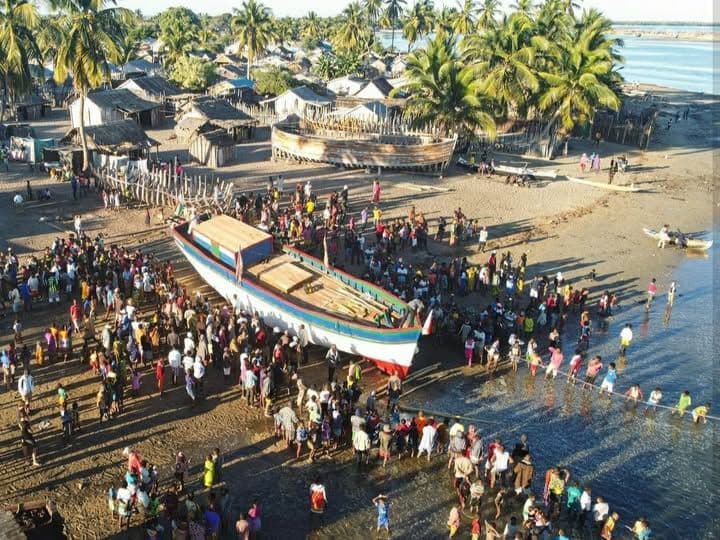
The construction of botry relies on ancestral know-how, passed down from generation to generation in Belo-sur-Mer and neighboring villages. Today, about twenty of these traditional boats are built each year. The botry remains a symbol of the deep connection between Malagasy people and the sea, and each launch is a celebration of this living maritime heritage.