Madagascar's Endemic Wildlife
Feb 18, 2025 - 6 min reading
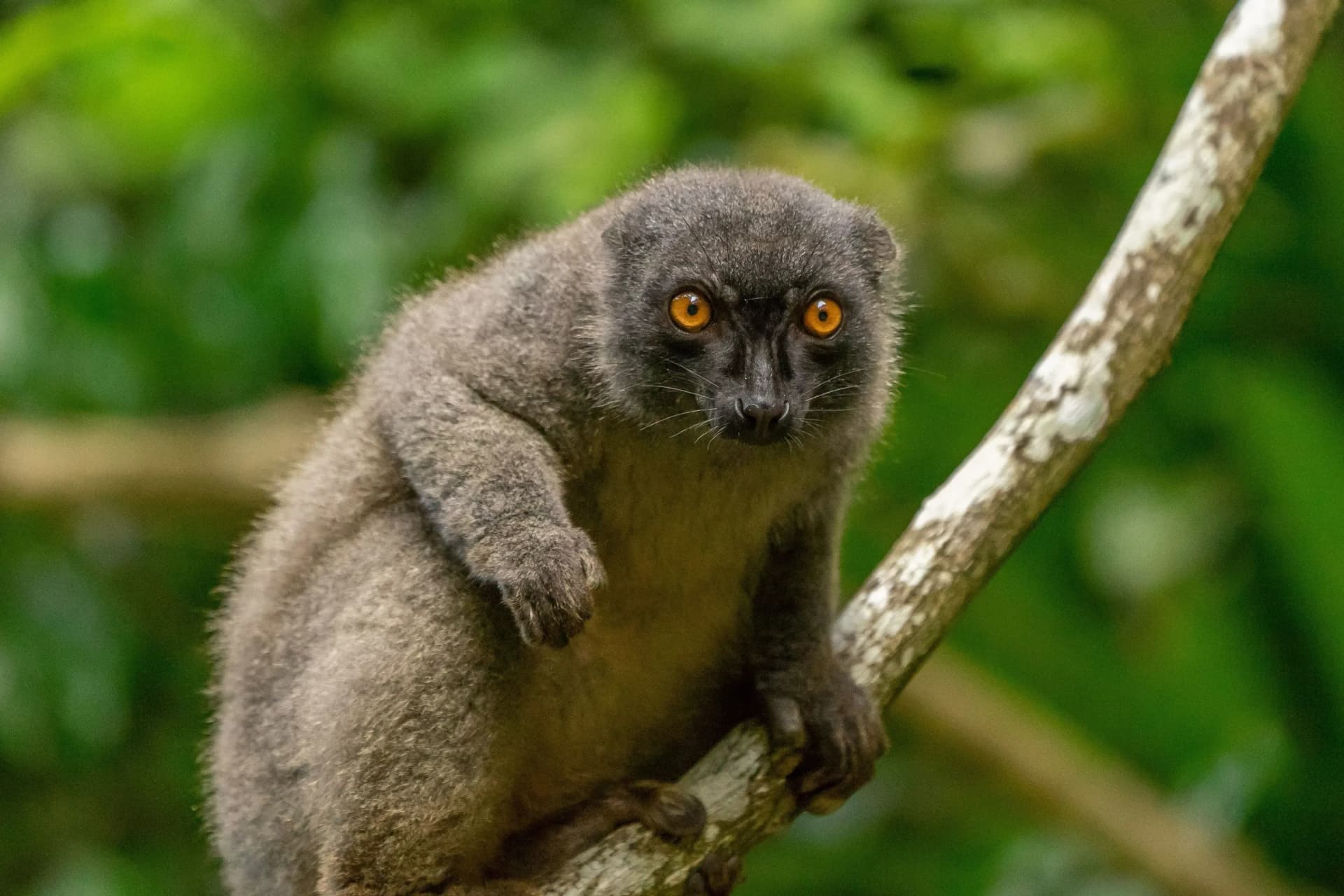
Madagascar is home to many animal species found nowhere else: 99.6% of its amphibians, 96% of its reptiles, 92% of its mammals, and 59% of its freshwater fish. These enigmatic animals primarily exhibit archaic characteristics, making the country one of the best places to study and observe evolution. The number of newly described species continues to increase each year.
Lemurs, the Symbols of Madagascar
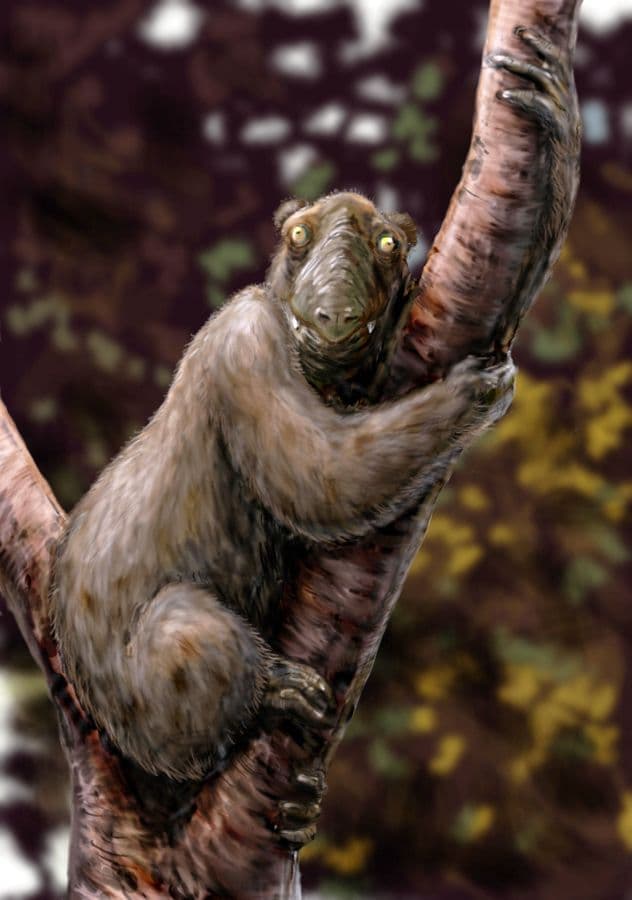
All current lemurs are native to Madagascar. Over 14 species of these primitive primates have already gone extinct permanently. For example, the large, slow-moving lemur called Megaladapis sp which was the size of a bear or gorilla, is known only from its subfossilized bones displayed in museums.
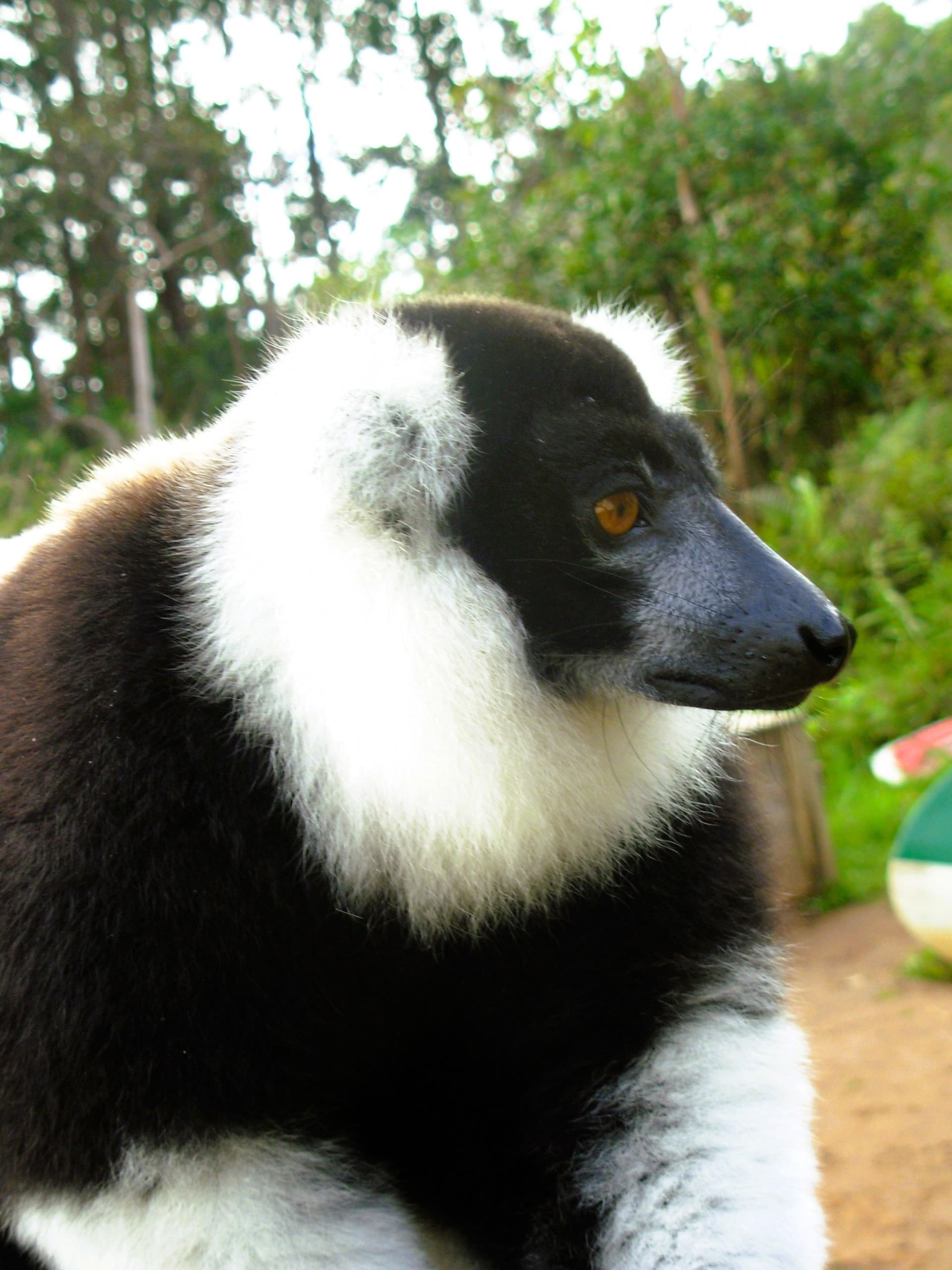
Currently, the country boasts over 100 species distributed across various habitats on the island. Among the most well-known is the ring-tailed lemur (Lemur catta), easily identifiable by its striped tail and raccoon-like facial markings. The sifaka(Propithecus sp)is nicknamed the 'dancing lemur' because it appears to waltz with an imaginary partner when it walks sideways on the ground. The indri(Indri indri), the largest living lemur, is the 'voice of the forest': its communication calls resonate for several kilometers multiple times a day. TheLepilemuror 'sportive lemur' as it's known to English speakers, is nocturnal but can be seen even during the day when it pokes its head out of its tree hollow nest to cool off. The aye-aye(Daubentonia madagascariensis)is the strangest of all. Morphologically, it combines features of several animals: the large eyes of an owl, the attentive large ears of a cat, the continuously growing incisors of a rabbit for cracking open coconuts or tree trunks, the bushy fur of a fox, and a slender, thread-like third finger used like a fork to extract larvae.
Other Primitive Mammals
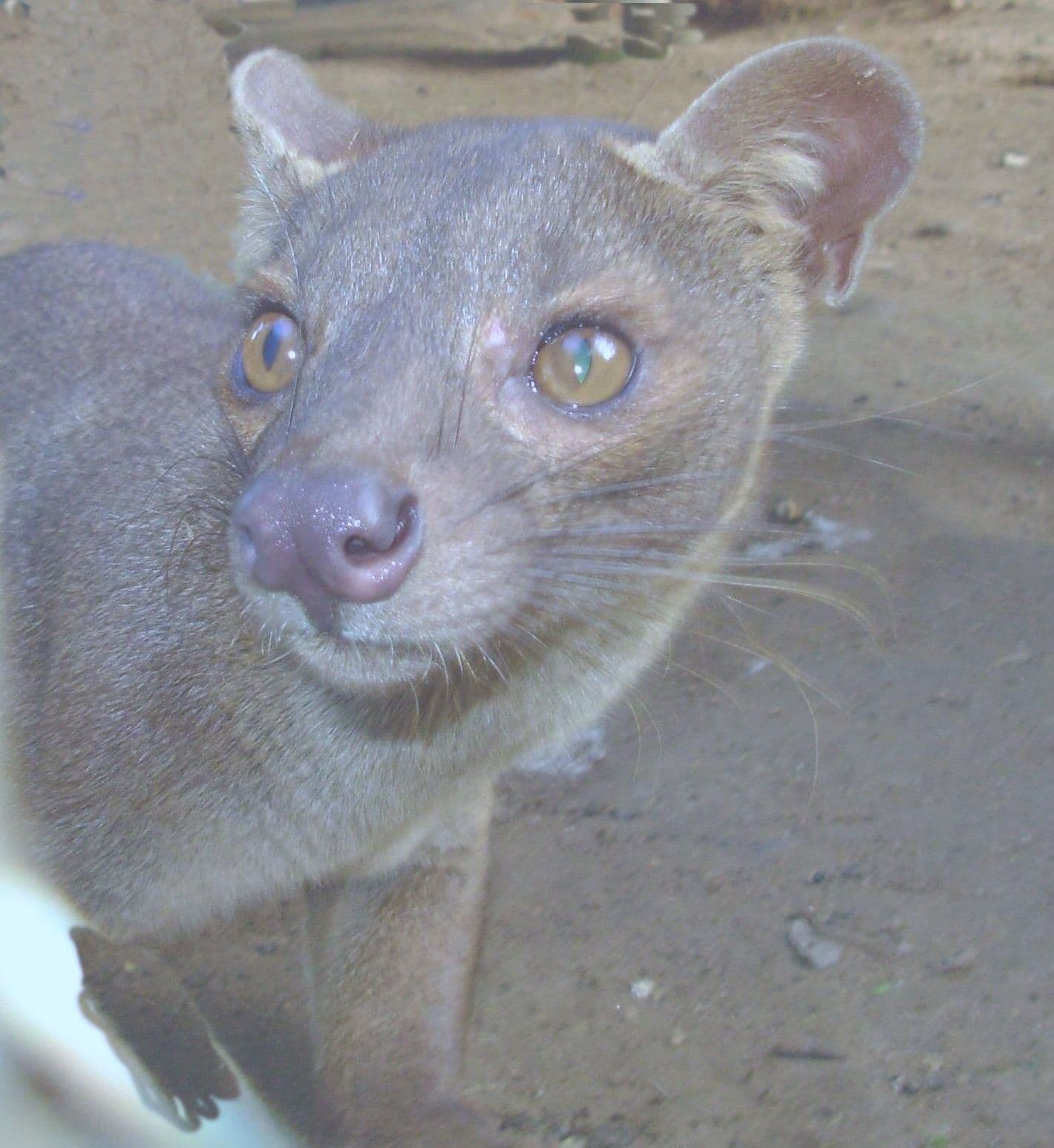
The fossa(Cryptoprocta ferox)closely resembles a red puma (felid)with its low-slung build, semi-retractable claws, and purring sounds, yet it is more closely related to civets(viverrids)and galidictids, possessing a more elongated snout.
Tenrecs (familyTenrecidae)are insectivores more primitive than hedgehogs (familyErinaceidae).The female Grand Tenrec(Tenrec ecaudatus)can have up to thirty young in a single litter and is equipped with over fifteen pairs of nipples to nurse them. The hedgehog tenrec(Hemicentetes spinosus)has detachable quills to deter predators. It devours various worms, snails, and insects, relying more on its developed sense of smell and orienting itself by ultrasonic clicks than its tiny eyes.
Even some bats are endemic (rare for flying animals). Among rodents, the giant jumping rat is found exclusively in the dry forest north of Morondava, in the west of the country.
Few Birds, But Many Rare Species
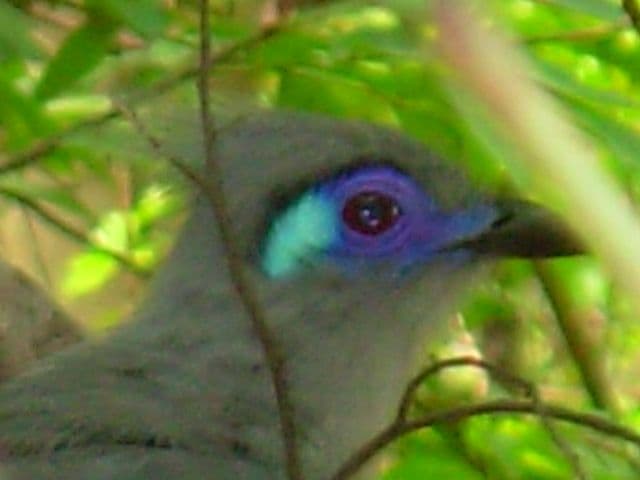
Compared to Africa, which boasts over 1,000 bird species, Madagascar has no more than 300 species. However, over half of them are endemic. The Madagascar serpent eagle, the Madagascar fish eagle, the Madagascar pochard, the long-tailed ground roller, terrestrial rollers, etc., are all bird species threatened with extinction in Madagascar, causing concern among specialists. Some are very localized. Others display archaic characteristics. Like Darwin's finches in Ecuador, Madagascar's 14 vanga species are believed to have evolved from a common ancestor. Their beaks have adapted to their feeding habits over the course of evolution.
The largest bird (Aepyornithidae) the world has ever known was found in Madagascar. The extinction of this bird, known as the 'elephant bird,' is quite recent. Eggshells from this bird can still be found in the southern dunes.
Reptiles: Champions of Dwarfism, Gigantism, and Mimicry
Madagascar has the most chameleons in the world, ranging from the smallest (Brookesia micra) to the largest (Calumma Parsoni), the longest (Furcifer Oustaleti up to 69 cm in length), and the most colorful (Furcifer lateralis, Furcifer pardalis). Flat-tailed geckos (Uroplatus sp) are masters of camouflage, perfectly blending into their surroundings.
The Ploughshare tortoise or Angonoka (Geochelone Yiniphora) is among the most threatened and rarest tortoises in the world. Its cousin, the southern star tortoise, is subject to intense trafficking and is highly coveted both domestically and internationally.
The most dangerous animal in Madagascar is the Nile crocodile, which still causes hundreds of fatal accidents each year. In some regions, it is revered and fed, considered the reincarnation of ancestors.
Over 80 species of snakes exist in Madagascar, but none are dangerous to humans. They are devoid of venom and fangs.
Wildlife Under Pressure and Threatened
The comet moth (Argema mittrei) is one of the largest moths and is sought after by collectors. From time to time, customs officials intercept significant quantities of endemic Malagasy animals of all kinds, mistreated by unscrupulous traffickers: radiated tortoises, iguanas, tiny frogs, butterflies, black coral, etc.
Like plants, animals also suffer from the destruction of their habitat.
🌟Contact us today to discover them for yourself! 🌟