The Ancient Malagasy Family: A Pillar of Society and Identity
Mar 16, 2026 - 6 min reading
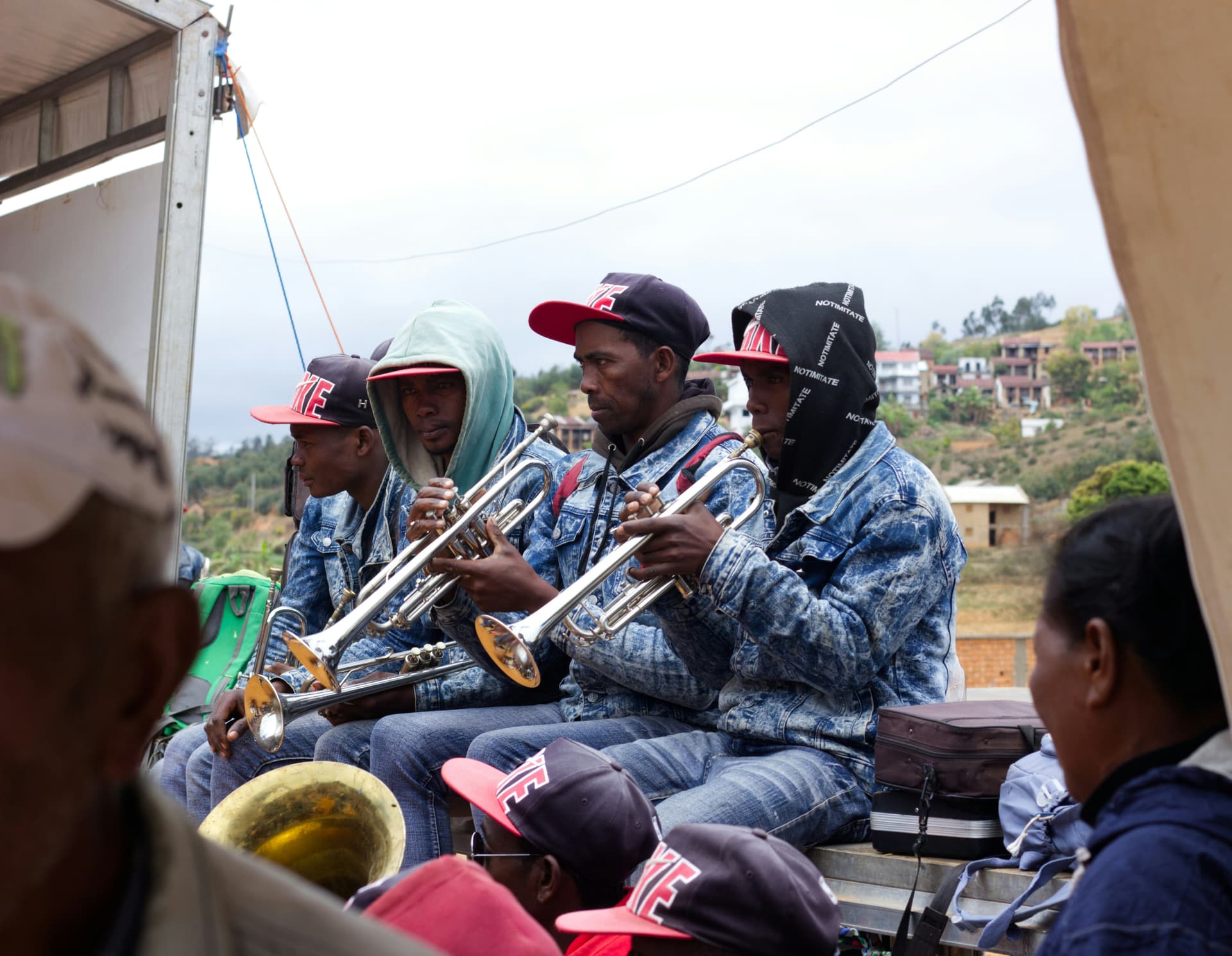
The family, or "fianakaviana" in Malagasy, has always been the beating heart of society in Madagascar, long before the modern era. During ancient times, its composition and organization were far more complex and profoundly influenced daily life, social structures, and spirituality. Far from being a simple nuclear unit, the traditional Malagasy family was an extended entity, a kinship network that spanned several generations and branches.
The Fianakaviana: An Extended Family
At the core of ancient family composition was the "fianakaviana," a concept encompassing not only parents and children but also grandparents, uncles, aunts, cousins, and even revered ancestors. This extended kinship system ensured mutual support, the transmission of knowledge, and unparalleled social cohesion. Each member had a defined role, contributing to the collective well-being.
Roles and Hierarchy Within the Family
Hierarchy was often based on age and gender. Elders, particularly grandparents, enjoyed immense respect and held moral authority. They were the guardians of traditions, stories, and ancestral knowledge. The head of the family, often the oldest and wisest male member, made important decisions concerning land, marriages, and rituals.
Women played an essential role in managing the household, educating children, and transmitting values. Children, in turn, learned their responsibilities early on and were integrated into daily tasks, thus preparing them for their future adult roles.
The Importance of Ancestors (Razana)
A fundamental aspect of Malagasy family composition was the integration of ancestors, the "razana," into the lives of the living. Ancestors were not considered gone but as active members of the family, watching over their descendants. Their veneration was (and remains) central, influencing decisions, rituals, and morality. Family tombs were sacred places, symbolizing the unbreakable bond between the living and the dead.
Social Cohesion and Community
This extended family structure fostered strong social cohesion. Marriages were often arranged to strengthen ties between families and communities. Feasts, ceremonies, and agricultural work were occasions for gathering, reinforcing the sense of belonging and collective identity. The family was the microcosm of society, reflecting its values and principles.
Understanding the composition of the ancient Malagasy family means grasping an essential part of Madagascar's soul. It means discovering a system where respect, solidarity, and the connection with ancestors forged resilient and deeply rooted communities.