Beyond Lemurs: Life (and Death) in Madagascar
Nov 13, 2025 - 6 min reading
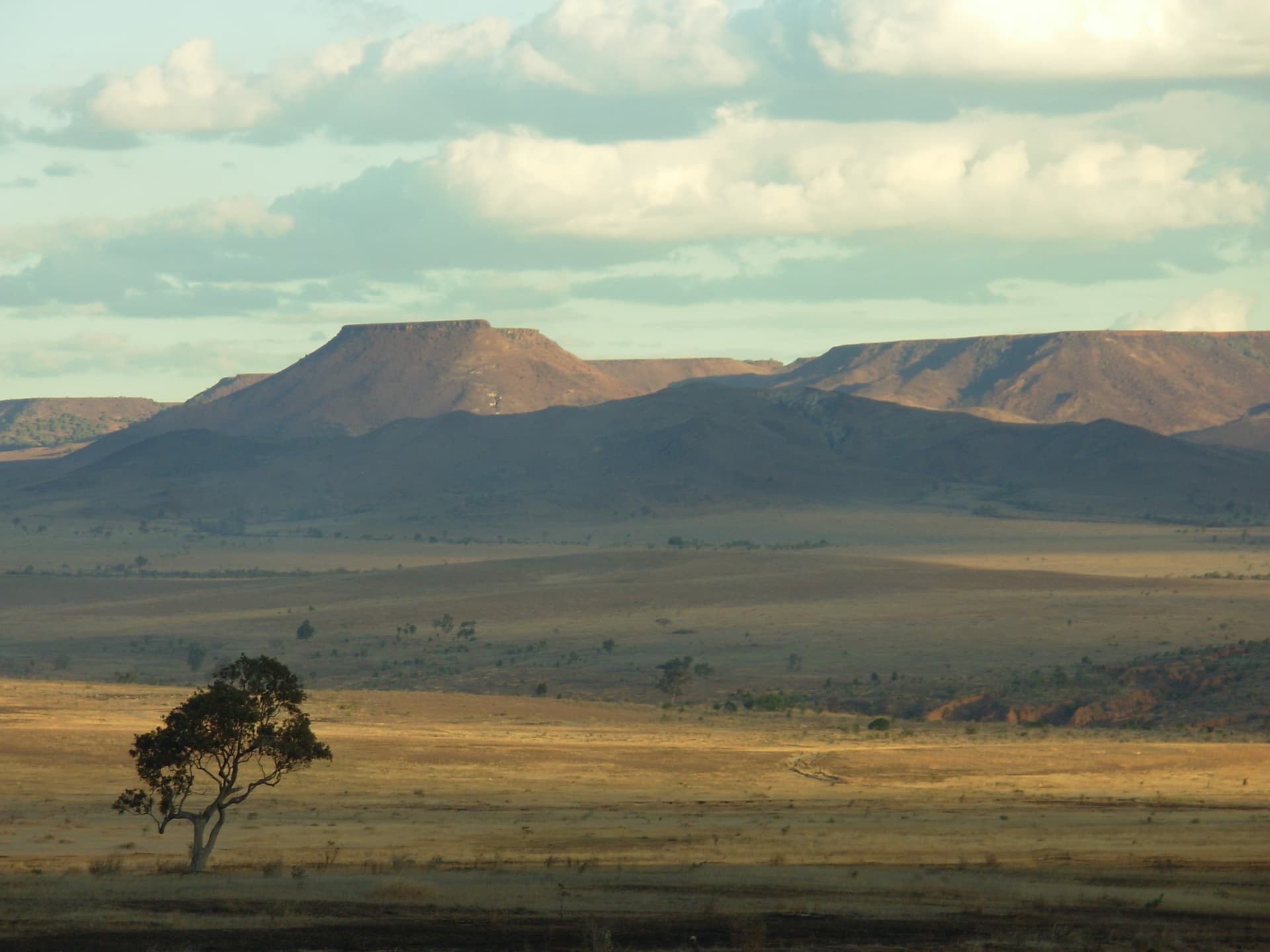
When one thinks of Madagascar, images of wide-eyed lemurs and majestic baobab avenues instantly come to mind. Yet, what strikes the traveler who takes the time to stop and listen is that the true magic of the Great Island lies not only in its spectacular nature, but in the spiritual depth of its people. The real journey begins when one discovers the fascinating relationship that Malagasy people have with their ancestors. This connection to the world beyond, far from being mere folklore, is a pillar of society that offers surprising lessons, teaching us that to understand life, one must first listen to the dead.
1. The Dead Are Not Truly Dead: They Need the Living
The first discovery that shakes our certainties is that, in traditional Malagasy thought, death is not an end, but a passage. However, this passage is neither automatic nor guaranteed. A deceased person does not immediately become aRazana(a revered Ancestor); their accession to this honorable status depends entirely on the living.
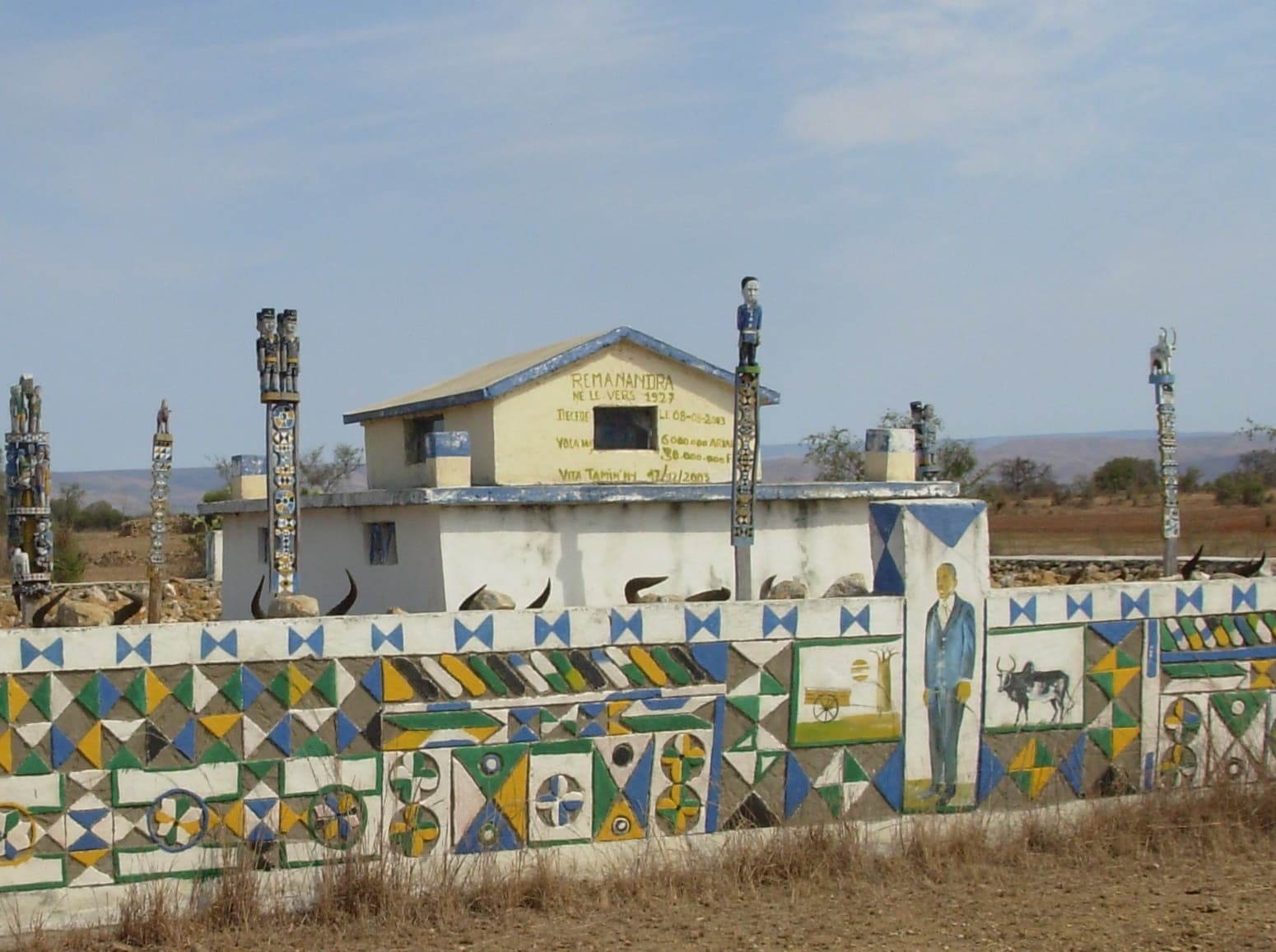
The success of this transition relies on the precise performance of funeral rites by the family. Among the Tsimihety of the north, for example, the rite ofRasahariañais essential. Without these ceremonies, the spirit of the deceased risks wandering, not finding peace, and manifesting its distress to the living in the form of illnesses or nightmares. This fear is not just of a ghost, but of a cosmic disorder: the dead must be in their world and the living in theirs. A wandering dead person blurs this essential boundary.
We then discover a powerful interdependence, an invisible pact where each world needs the other to exist in harmony. The deceased need the living to perform the rituals that will allow them to become Ancestors and find peace. In return, the living need theirRazanato receive protection, health, and blessings (tsodrano) that ensure a harmonious life.
2. A Conversation Beyond the Veil: When Ancestors Manifest
Here, the boundary that we Westerners draw so clearly between the world of the living and that of the dead becomes porous, almost nonexistent. A deceased person who has not yet received their "share" through the necessary rituals does not remain silent. They have several means to make themselves known and claim what is due to them. Three main channels allow for this conversation beyond the veil.
The first isillness. A sudden, unexplained, or "bizarre" ailment that strikes a family member is often interpreted not as a coincidence, but as a direct request from a suffering ancestor. The most direct means, however, remainsdreams or visions (nofy). The deceased may appear to a relative to speak to them, make significant gestures, or convey a clear message about their need to be honored.
Finally, to confirm the supernatural origin of an illness or a dream, the family turns to a diviner-healer, thempisikidy. Through a divinatory art calledtheSikidy, this person interprets the signs. In the clatter of seeds thrown on a mat, they read messages from the beyond, confirm if the troubles are indeed a claim from the deceased, and indicate the course of action.
3. TheRasahariañaor Rasa Hariagna: The Sharing That Ensures Harmony
At the heart of this relationship between worlds, among the Tsimihety, lies the rite ofRasahariaña. Its definition, given by the informant Todizara, is crystal clear:
"The Rasahariaña is the act of giving a share of goods or wealth to the dead."
The core of this rite is the sacrifice of a bull. In Tsimihety culture, the bull is not just an animal; it is the symbol of wealth, value, and social status. The animal offered must meet strict criteria: it must be young and without physical handicaps. A cow is often preferred, but it must not be pregnant or nursing. Certain colors are also favored, particularly those with white heads, considered particularly pure for the Ancestors.
The purpose of theRasahariañais twofold. On one hand, it is a sacred act that transforms the status of the deceased: from a mere dead person, they ascend to the rank ofRazana. This rite gives them the means to integrate into their new society in the afterlife and finally find peace. On the other hand, it is a request for blessings for the living. By honoring their dead, families ask in return for health, happiness, and prosperity for their community.
4. TheFihavanana: A Bond Stronger Than Death
No concept better captures the heart of Malagasy society than that ofFihavanana. Much more than just a word, it is a fundamental cultural value that encompasses kinship, friendship, solidarity, conviviality, and mutual aid. It is the logic that dictates building a house together, sharing a meal during a rite, and supporting a grieving family, because the well-being of one is the concern of all.
This powerful bond is absolutely not broken by death. On the contrary, rites like theRasahariañaare fundamental expressions ofFihavanana. They strengthen the communion and cohesion between all members of the family, those on earth and those in the afterlife. Honoring an ancestor is reaffirming that the family is a united entity beyond life and death.
The collective dimension ofFihavananais also visible during these ceremonies. The organization of aRasahariañais not a private affair; the entire village community is invited to participate. This presence shows that the bond extends far beyond the family circle, reinforcing the solidarity of the entire village around a common act of respect and remembrance.
5.ZanaharyFirst: The Creator God Above All
A common misconception would have it that ancestor worship is a religion that replaces belief in a single God. This is one of the great surprises Madagascar holds: it is quite the opposite. The relationship with theRazanais part of a broader cosmological framework, dominated by a supreme figure: Zanahary, the Creator God.
An essential and revealing fact of all Malagasy rituals is the order of invocations. During ritual prayers (jôro),Zanaharyisalwaysinvoked first, even before the most powerful of theRazana. This primacy is not insignificant: it demonstrates His absolute superiority. Ancestors and all other spirits are considered merely His creatures; they are subordinate to Him.
TheRazanaare therefore not gods, but revered intermediaries between the world of the living andZanahary. They transmit the prayers of men and dispense the blessings of the Creator. But the ultimate source of all life, all protection, and all blessings remainsZanahary, the beginning and the end of all things.
Conclusion: Traveling is Learning to See Differently
The true wealth of Madagascar lies less in the landscapes one photographs than in the invisible beliefs that animate its people. Understanding the role of ancestors means discovering a worldview where community transcends death and where the past actively nourishes the present. Traveling on the Great Island is therefore not just a geographical exploration, but an invitation to question our own certainties about life, death, and the meaning of community.
Observing this continuous conversation between worlds, one wonders if our own modernity, by so hermetically sealing the boundary with death, has not cut us off from an essential part of life. And if Madagascar's greatest lesson is not to invite us to reopen the dialogue with our own ancestors, not through ritual, but through memory, respect, and recognition of the invisible bond that unites us to them?
''In Madagascar, the dead are not dead, the dead are alive, it is the living who die.'' Mani